
Executive Summary
With no universally viable alternative to the jet engine and SAF priced 2-5x above jet fuel, efficiency is aviation's most practical decarbonisation lever. MAKO's Flightfilm is a universally retrofittable adhesive film using biomimetic microstructures to cut skin friction drag, delivering fuel savings that drop straight to the airline's bottom line, with a three year service life aligned to standard C-check windows.
Decarbonising aviation is challenging
It's well known that aviation is a hard to abate sector. The speed, range, and lightweight requirements of a modern aircraft demand high specific power motors and energy dense fuels. Today, only jet fuel and turbine engines meet these criteria in full.
This technological monopoly does not stem from a lack of alternatives. Over the last decade (and earlier, see the 1973 electric glider), engineers have explored alternate powertrains, with key efforts focused on battery electric and hydrogen/battery electric hybrids. While these technologies have proven technically viable for light aircraft on short haul flights, the commerciality of these planes, with higher capex and lower asset utilisation given charging times, is yet to be demonstrated.
Fuel substitution such as SAF is a more mature route to decarbonisation. Positioned as a drop-in replacement, SAF is designed to match the characteristics of jet fuel, meaning it can be blended with or used to entirely replace jet fuel, while also containing lower embodied emissions, typically by using a bio-based source of carbon to avoid releasing permanently sequestered CO2. However, SAF supply is constrained by the availability of biomass and is priced well above standard jet fuel (2-5x). With fuel costs making up around 26% of airline opex, and industry wide average net profit margins sitting at 3.9% in 2025, we are unlikely to see material SAF substitution anytime soon.
So, with no universally viable alternatives to the jet engine, and airlines unable to absorb a 2-5x price hike on a quarter of their operating cost base, the industry is left with efficiency as a dual driver of emissions reduction and profitability.
The easy efficiency wins are all gone
It's incredible to see the technical progression over time. Breakthrough innovations like high bypass turbofans and winglets have driven down average fuel burn by around 50% over the last half century. But the rate of progress is slowing as we converge toward the optimal aircraft design. Future gains will likely be incremental, and tied to the deployment of new, highly optimised airframes such as blended wing designs. With commercial passenger aircraft operating for around 30 years, this doesn't happen often.
If aviation is to decarbonise now, we can't wait for fleet renewals. We need technologies that augment the performance of the aircraft in flight today. MAKO does just that.
Why we invested
The MAKO Flightfilm product is one of the most cost-effective efficiency improvements currently available to the aviation market, based on our own market analysis. The product itself is a universally retrofittable adhesive film that uses biomimetic microstructures to reduce skin friction drag. The team has demonstrated real fuel savings in flight trials, which if successful in operation will drop straight to the airline's bottom line. Testing has shown that the product can last for over three years, allowing for reapplication in standard C-check windows. Airlines lose no aircraft availability, while MAKO generate a recurring revenue stream.
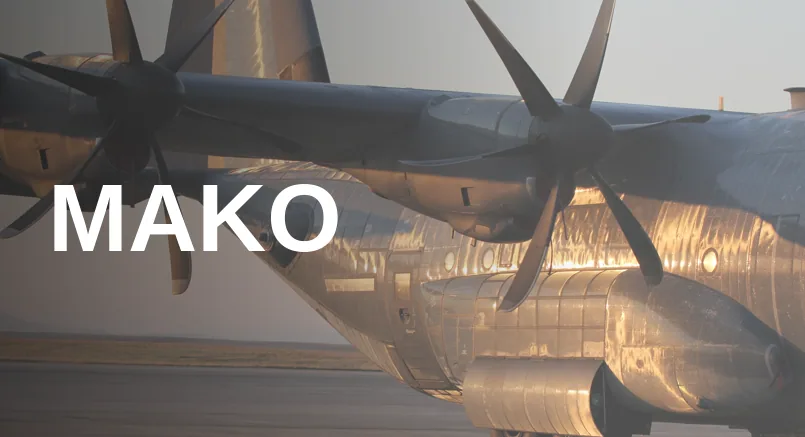
MAKO have proven the tech works on narrowbody passenger and defence transport aircraft, and are progressing toward STC certification on key airframes for operation in major aviation geographies over the next 12 months. Whilst certification timelines are uncertain and approval is not guaranteed, we believe MAKO is doing the right prep work for a successful submission. With a growing sales pipeline, MAKO are approaching a key commercial inflection point.
We're excited to announce our investment in MAKO, which earlier in the year closed an oversubscribed series A. We can't wait to jump on a Flightfilm plane.
MAKO remains subject to a range of risks including certification and regulatory approval risk, technology performance risk, customer adoption risk, manufacturing and scale-up risk, competitive developments, and broader aviation market conditions. While we believe the company is well positioned, there is no guarantee that certification milestones, commercial contracts, fuel-saving outcomes or growth expectations will be achieved.